
How to Teach Practical Judgment Through Play
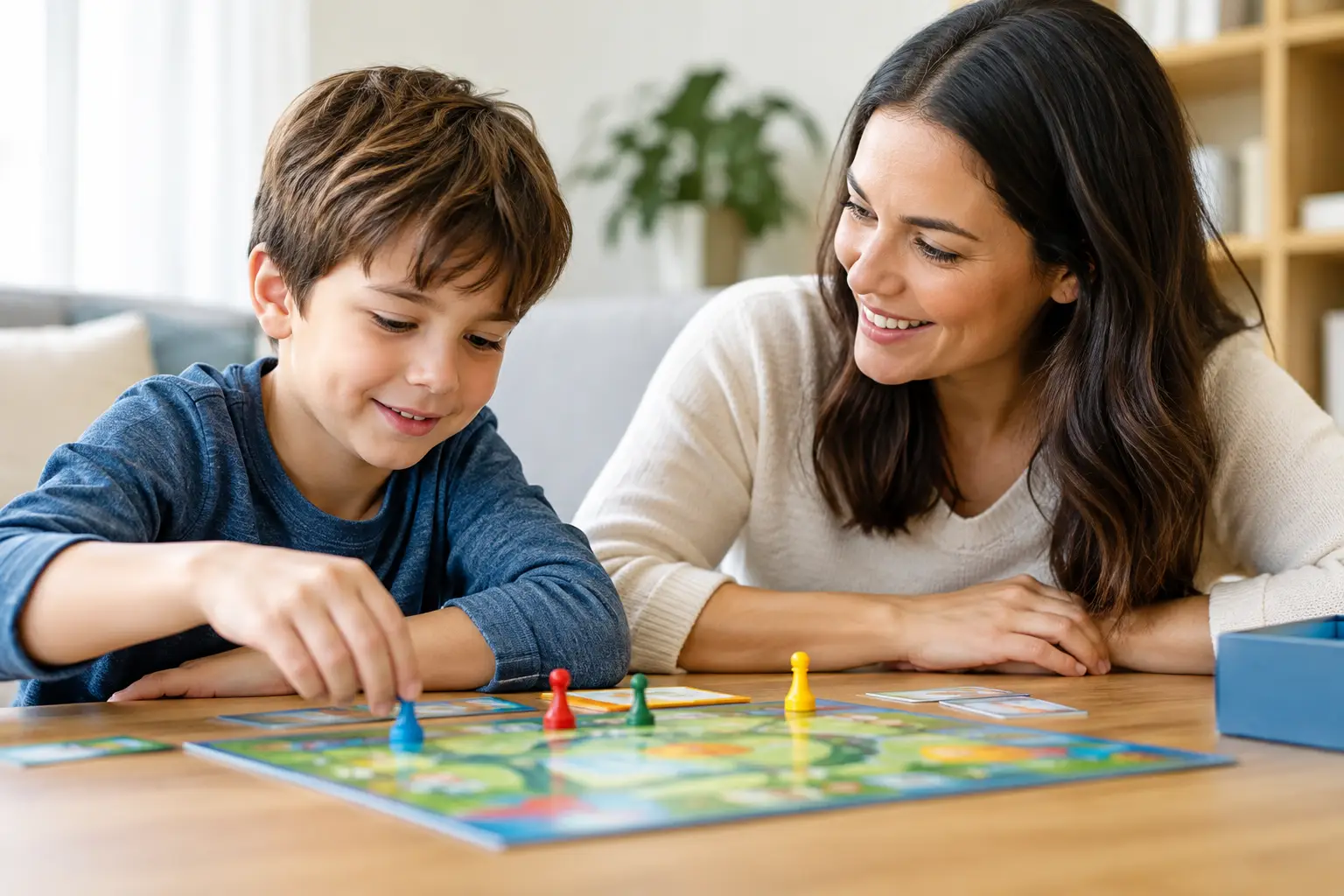
A child can recite a rule and still freeze when the rule no longer fits. They may know to be careful with money, kind to friends, or safe online, yet struggle to decide what to do when the details are messy. That is why learning how to teach practical judgment means moving beyond correct answers. Children need chances to notice what is happening, make a choice, see what follows, and try again.
Practical judgment is not about raising children who always agree with adults or make flawless decisions. It is the growing ability to read a situation, weigh what matters, anticipate consequences, and choose a next step that makes sense. That ability forms through lived experience. Play can give children a safe place to live the experience before the stakes are high.
What practical judgment looks like in real life
Practical judgment appears in ordinary moments. A learner notices that a group project is slipping behind schedule and suggests dividing the work differently. A teenager receives a message that feels urgent but suspicious and pauses before responding. A child wants to spend all of their game currency now, then considers what they may need later.
None of these moments comes with one permanent rule. Context matters. Sharing may be generous in one situation and unwise in another. Taking a risk may lead to discovery, or it may ignore a clear warning. Good judgment asks, “What is true here? What could happen next? What matters most?”
That is also why lectures alone have limits. A lecture can name a principle. It cannot fully reproduce the feeling of choosing when time is short, information is incomplete, and outcomes affect other people. For judgment to become usable, learners need to practice the pattern of deciding.
How to teach practical judgment with meaningful choices
Start with situations that have a real purpose, a visible consequence, and more than one reasonable path. The goal is not to hide a lesson inside a trick question. The goal is to create a moment worth thinking through.
In a real-world adventure, players might need to choose which supplies to carry, whom to trust, how to use limited resources, or whether to take a faster route with greater risk. Each choice gives their thinking somewhere to go. They are not being told what responsibility means. They are acting responsibly, or discovering what happens when they do not.
The most useful scenarios are specific enough to feel real and open enough to invite reflection. “What should you do if someone is mean?” is broad. “Your teammate made a mistake that costs the group time, and everyone is frustrated. Do you blame them, fix the problem quietly, ask what happened, or do something else?” gives learners a situation they can enter.
Do not rush to supply the answer. Ask what they noticed first. Ask what they were trying to protect or achieve. A choice that seems impulsive may reveal a thoughtful value, incomplete information, or a pattern the learner has not yet learned to recognize.
Let consequences teach without making mistakes feel final
Feedback is where an experience becomes instruction. When a choice changes the next part of a game, story, task, or conversation, learners can connect action to result. That connection helps patterns form.
Useful feedback is clear and proportional. If a player spends every resource early, the later challenge should reveal the cost. If they listen carefully to a clue, that attention should help them. If they act generously, the result might build trust, though not every person must respond perfectly. Real life is not a vending machine, and neither is good learning.
Avoid feedback that simply announces, “Wrong.” Judgment develops when learners understand why a result followed. A better response is: “That route saved time, but it used the water you needed later.” The learner can then reconsider the trade-off instead of memorizing an adult’s preferred move.
This is especially valuable for children who do not learn best through long explanations. Attention grows when the decision matters. Repetition becomes meaningful when each new attempt reveals a little more. Feedback turns an abstract idea into something a learner can feel, test, and remember.
Use reflection to turn action into a pattern
Experience matters, but experience without reflection can remain just a moment. A short conversation after a decision helps learners carry the insight forward. Keep it curious and concrete rather than turning it into a quiz.
After a game, challenge, or everyday choice, try four questions:
- What did you notice before you decided?
- What were you hoping would happen?
- What happened that you did not expect?
- What might you try next time?
These questions teach children to look at their own thinking. They also show that revising a choice is not failure. It is judgment getting sharper.
Reflection should match the learner. A younger child may point to a picture, act out the moment, or explain it in a few words. An older learner may compare two options, name competing priorities, or consider how a decision affected a group. The method stays the same: act, notice, reflect, and carry the pattern into the next challenge.
Repeat the decision, not the script
Practical judgment grows through repetition, but repetition does not mean repeating one approved answer until it feels automatic. It means meeting the same kind of problem in different forms.
A child who learns to manage limited supplies in an adventure can later think about saving allowance, planning a school project, or packing for a trip. A learner who recognizes an unreliable character in a story can practice noticing pressure, missing details, or exaggerated promises elsewhere. The surface changes. The pattern remains.
This transfer takes time. Some learners will recognize the connection right away. Others need a gentle bridge: “This reminds me of the choice you made in the game. What feels similar?” That is not forcing a lesson. It is helping the learner see knowledge traveling from one experience to another.
ImmersiveMinds Games is built around this kind of learning: play, act, discover, remember. A meaningful adventure gives learners repeated opportunities to make decisions, meet consequences, and return with better information. The learning is not separate from the experience. It happens because of the experience.
Make room for uncertainty and values
Not every decision has a clean outcome. Children should learn that practical judgment sometimes means choosing between two worthwhile goals: honesty and protecting someone’s privacy, speed and care, independence and asking for help. Adults can model this honestly.
Instead of pretending every problem has a perfect answer, name the trade-off. “You wanted to include your friend, and you also needed to follow the team’s plan.” This language teaches learners to hold more than one truth at a time. It also lowers the pressure to perform certainty when uncertainty is the honest condition.
There are moments when adults need to set a firm boundary, especially around safety, cruelty, or serious harm. Practical judgment does not mean children should be left alone to discover every consequence firsthand. It means giving them appropriate agency inside clear limits. A game can simulate risk. A trusted adult can keep real risk manageable.
Bring judgment practice into ordinary life
You do not need to turn every family conversation or classroom task into a formal lesson. Look for small, repeatable chances to invite choice. Ask a child to help plan the order of errands. Let students decide how to organize roles for a shared task. Before stepping in to solve a disagreement, ask what each person thinks would make the situation better.
The key is to let the choice be real enough to matter. If adults always take back control at the first inconvenience, children learn that decisions are performances, not responsibilities. If adults offer freedom without feedback, children miss the pattern. The useful middle ground is guided agency: room to choose, support to notice, and another chance to act.
Practical judgment is built one lived decision at a time. Give learners adventures worth entering, choices worth weighing, and feedback they can use. Then let them return to the next challenge a little more observant, capable, and ready to think for themselves.